A proper wavy hair routine can completely transform the way your hair looks and feels. Many people with wavy hair struggle with frizz, dryness, flat roots, uneven texture, and undefined waves because they use products or techniques designed for straight or curly hair instead of hair with natural waves. Understanding how to care for wavy hair correctly is the key to achieving soft, bouncy, and healthy-looking waves.
Wavy hair is unique because it sits between straight and curly hair types. It often requires lightweight hydration, balanced moisture, and styling methods that enhance natural texture without weighing the hair down. With the right wavy hair routine, you can improve definition, reduce frizz, increase shine, and maintain long-lasting wave patterns.
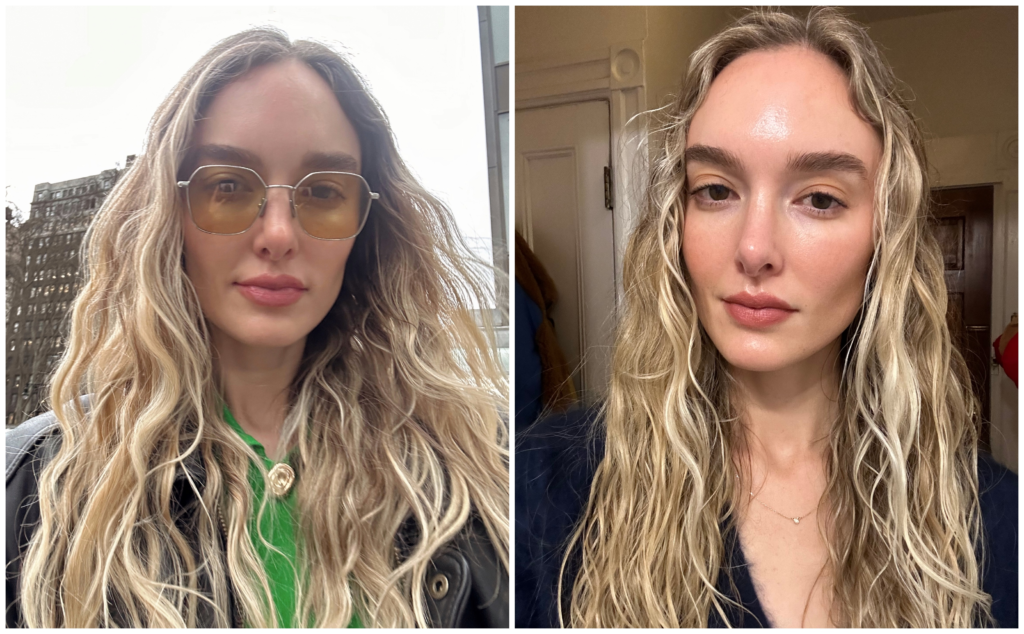
This complete guide explains everything you need to know about creating the perfect wavy hair routine, including washing methods, product selection, drying techniques, nighttime care, common mistakes, and expert haircare tips.wavy hair routine
What Is a Wavy Hair Routine?
A wavy hair routine refers to a haircare system specifically designed to support and enhance naturally wavy hair textures.
Unlike straight hair or tightly curled hair, wavy hair usually requires:
- Lightweight moisture
- Frizz control
- Texture enhancement
- Balanced hydration
- Gentle styling techniques
The goal of a proper routine is to maintain healthy waves while preventing dryness, limpness, and excessive frizz.
Understanding Wavy Hair Types
Before building the perfect wavy hair routine, it is important to understand different wave patterns.
Type 2A Wavy Hair
Type 2A hair features loose and subtle waves.
Characteristics include:
- Fine texture
- Minimal frizz
- Soft S-shaped bends
- Easy manageability
This hair type often benefits from lightweight products.
Best Care Tips for 2A Waves
- Avoid heavy creams
- Use volumizing mousse
- Apply lightweight leave-in conditioner
Type 2B Wavy Hair
Type 2B waves are more defined and slightly frizzier.
Common features include:
- Visible S-shaped waves
- Medium texture
- Moderate frizz
- Increased volume
Best Care Tips for 2B Waves
- Use sulfate-free shampoo
- Apply curl-enhancing gel
- Diffuse for extra definition
Type 2C Wavy Hair
Type 2C hair has stronger waves that may border on loose curls.
Characteristics include:
- Thick texture
- High frizz potential
- More volume
- Defined wave patterns
Best Care Tips for 2C Waves
- Deep condition regularly
- Use anti-frizz products
- Protect hair overnight
Why a Proper Wavy Hair Routine Matters
Many people unknowingly damage their waves through incorrect haircare practices.
Prevents Frizz
Wavy hair tends to become frizzy because of moisture imbalance and rough handling.
A proper wavy hair routine helps maintain hydration while smoothing the hair cuticle.
Enhances Natural Texture
Correct products and styling methods improve natural wave formation without heat damage.
Improves Hair Health
Healthy routines reduce:
- Breakage
- Split ends
- Dryness
- Product buildup
Step-by-Step Wavy Hair Routine
Following a consistent process can improve wave definition significantly.
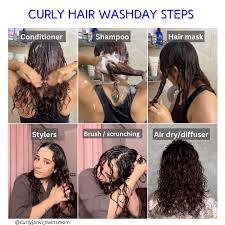
Step 1: Use a Gentle Shampoo
A sulfate-free shampoo is ideal for wavy hair because it cleanses without stripping natural oils.
Why Sulfate-Free Products Matter
Harsh shampoos can make waves:
- Dry
- Frizzy
- Dull
- Difficult to manage
Gentle cleansers preserve moisture balance.
Step 2: Apply Conditioner Properly
Conditioner is essential in every wavy hair routine.
Focus conditioner on:
- Mid-lengths
- Ends
- Dry sections
Avoid applying too much near the scalp if your hair becomes oily easily.
Detangle Carefully
Use fingers or a wide-tooth comb while conditioning to prevent breakage.
Step 3: Use a Leave-In Conditioner
Leave-in conditioner provides extra moisture and improves manageability.
Benefits of Leave-In Products
They help:
- Reduce frizz
- Improve softness
- Protect against dryness
- Enhance wave definition
Choose lightweight formulas for fine wavy hair.
Step 4: Apply Styling Products
Styling products help maintain wave patterns throughout the day.
Best Styling Products for Wavy Hair
Popular choices include:
- Curl creams
- Mousses
- Lightweight gels
- Sea salt sprays
Avoid overly heavy products that flatten waves.
Step 5: Scrunch the Hair
Scrunching encourages wave formation. wavy hair routine
How to Scrunch Correctly
- Flip hair upside down
- Gently squeeze sections upward
- Repeat until waves form naturally
This technique improves texture and volume.
Step 6: Dry Hair Carefully
Drying methods strongly affect wave definition.
Air Drying
Air drying is gentle and minimizes heat damage.
Diffusing
Using a diffuser attachment on low heat helps:
- Boost volume
- Reduce frizz
- Enhance wave shape
Best Products for a Wavy Hair Routine
Choosing suitable products is extremely important.
Lightweight Shampoo
Look for formulas that:
- Hydrate gently
- Avoid sulfates
- Reduce buildup
Moisturizing Conditioner
Good conditioners should provide softness without making hair greasy.
Curl Creams for Waves
Light curl creams help define waves naturally.
Avoid Heavy Butter-Based Products
Products designed for tight curls may weigh down wavy hair.
Mousse for Volume
Mousse works especially well for:
- Fine waves
- Flat roots
- Extra bounce
It adds structure without excessive heaviness.
Anti-Frizz Serums
Serums help control humidity-related frizz.
Use small amounts to avoid oily texture.
Common Mistakes in a Wavy Hair Routine
Many people unintentionally damage their waves.
Overwashing Hair
Washing too frequently removes natural oils.
Recommended Frequency
Most wavy hair types benefit from washing:
- 2–3 times weekly
This maintains moisture balance.
Using Too Much Product
Excessive product can make waves appear greasy or limp.
Product Buildup Problems
Heavy buildup may cause:
- Flat texture
- Dullness
- Scalp irritation
Clarify occasionally if needed.
Brushing Dry Wavy Hair
Dry brushing often destroys wave definition and creates frizz.
Better Alternative
Detangle while hair is wet and conditioned.
Morning Wavy Hair Routine
Morning care helps refresh waves.
Refresh With Water
Lightly mist hair with water to reactivate products.
Use Lightweight Styling Spray
A refresh spray helps redefine flattened waves.
Avoid Excessive Touching
Constant touching increases frizz throughout the day.
Nighttime Wavy Hair Routine
Nighttime protection helps maintain healthy waves.
Use a Satin Pillowcase
Satin reduces friction and minimizes frizz.
Pineapple Hairstyle
Loosely tying hair on top of the head protects waves while sleeping.
Overnight Hair Protection
Protective hairstyles help reduce tangling and breakage.
Wavy Hair Routine for Frizzy Hair
Frizz is one of the biggest concerns for wavy hair.
Causes of Frizz
Frizz may result from:
- Dryness
- Humidity
- Heat damage
- Rough towel drying
Solutions for Frizz Control
Use:
- Microfiber towels
- Anti-frizz products
- Deep conditioners
- Diffusers on low heat
Wavy Hair Routine for Fine Hair
Fine wavy hair requires lightweight care.
Avoid Heavy Oils
Heavy oils may flatten fine waves.
Focus on Volume
Use mousse and root-lifting products for extra body.
Wavy Hair Routine for Thick Hair
Thick waves often need more hydration.
Deep Conditioning Benefits
Weekly deep conditioning helps soften thick hair and reduce dryness.
Layer Styling Products Carefully
Use lightweight layers rather than one heavy cream.
The Importance of Hair Hydration
Hydration keeps waves soft and healthy.
Signs of Dehydrated Hair
Dry hair may appear:
- Frizzy
- Rough
- Brittle
- Dull
Moisture Balance
Healthy waves require balanced hydration without excessive oiliness.
Heat Styling and Wavy Hair
Excessive heat can weaken wave patterns.
Minimize Heat Damage
Frequent straightening may permanently affect texture.
Heat Protectant Importance
Always use heat protection before styling tools.
Best Ingredients for Wavy Hair
Certain ingredients work especially well for waves.
Beneficial Ingredients
Look for:
- Aloe vera
- Argan oil
- Coconut water
- Glycerin
- Shea protein blends
Ingredients to Avoid
Avoid excessive:
- Sulfates
- Drying alcohols
- Heavy silicones
Wavy Hair Routine and Weather Changes
Weather affects hair texture significantly.
Humidity Challenges
Humidity often increases frizz.
Winter Haircare
Cold weather may cause dryness and static.
Adjust products seasonally for best results.
Diet and Hair Health
Healthy hair begins internally.
Nutrients for Healthy Waves
Important nutrients include:
- Protein
- Biotin
- Omega-3 fatty acids
- Iron
- Vitamins A and E
Hydration Matters
Drinking enough water supports overall hair health.
Exercise and Wavy Hair Care
Active lifestyles can affect hair routines.
Managing Sweat and Hair
Sweat buildup may require scalp cleansing.
Dry Shampoo Benefits
Dry shampoo helps refresh roots between washes.
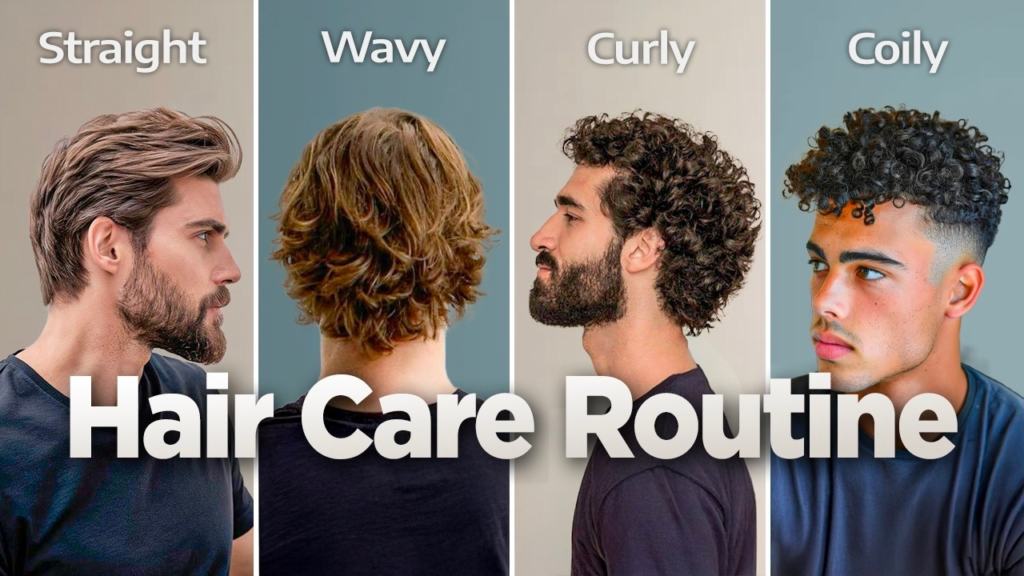
Wavy Hair Routine for Men
Men with wavy hair also benefit from texture-focused routines.
Simple Men’s Wavy Hair Routine
A basic routine includes:
- Gentle shampoo
- Lightweight conditioner
- Curl cream or mousse
- Air drying or diffusing
Avoid Overstyling
Heavy gels may stiffen natural waves.
Seasonal Wavy Hair Routine Adjustments
Hair needs may change throughout the year.
Summer Haircare
Protect hair from:
- UV exposure
- Chlorine
- Saltwater damage
Winter Haircare
Increase moisture during colder months.
Long-Term Benefits of a Good Wavy Hair Routine
Consistency produces healthier hair over time.
Improved Wave Definition
Regular care strengthens natural texture.
Reduced Breakage
Healthy routines minimize damage and split ends.
Better Manageability
Waves become easier to style and maintain.
How to Build a Personalized Wavy Hair Routine
Every hair type is different.
Experiment With Products
Finding the right balance may take time.
Observe Hair Reactions
Pay attention to:
- Moisture levels
- Frizz changes
- Product buildup
- Wave definition
Adjust routines accordingly.
Conclusion
Creating the perfect wavy hair routine can dramatically improve the appearance, texture, and health of naturally wavy hair. By understanding your specific wave type and choosing the right products, techniques, and maintenance habits, you can achieve soft, defined, and frizz-free waves consistently.
A successful routine focuses on gentle cleansing, balanced hydration, lightweight styling products, careful drying methods, and overnight protection. Avoiding common mistakes like overwashing, dry brushing, and using heavy products can also make a significant difference.
Healthy waves require patience and consistency. With the right wavy hair routine, you can embrace your natural texture while improving shine, manageability, and overall hair confidence. Whether your waves are loose, thick, fine, or highly textured, a personalized approach will help you maintain beautiful and healthy hair for the long term.