Introduction to Geo Metro
The Geo Metro is a well-known compact economy car that became popular for its outstanding fuel efficiency, affordability, and simple design. Manufactured during the late 1980s and 1990s, the Geo Metro remains a memorable vehicle among budget-conscious drivers and automotive enthusiasts.
In today’s automotive discussions, the term geo metro is often associated with extreme fuel economy, lightweight engineering, and minimal maintenance costs. Even though production has long ended, the car still holds a strong reputation in used car markets and automotive history.
This guide provides a complete overview of the Geo Metro, including its history, features, performance, reliability, fuel efficiency, and why it is still discussed today.
Geo Metro Overview and History
The Geo Metro was introduced in North America as part of a joint venture between General Motors and Suzuki. It was essentially a rebadged version of the Suzuki Swift, designed to compete in the subcompact car segment.
During its production years, the Geo Metro was marketed as an affordable and fuel-efficient vehicle ideal for city driving and daily commuting. It quickly gained attention due to rising fuel prices and increasing demand for economical transportation.
The simplicity of the geo metro made it popular among first-time car buyers and people looking for low-cost mobility solutions. Its lightweight structure and small engine size contributed significantly to its fuel-saving reputation.
Geo Metro Design and Build Quality
The design of the Geo Metro focused on practicality rather than luxury. It was built with a minimalistic approach, prioritizing function over aesthetics.
Exterior Design
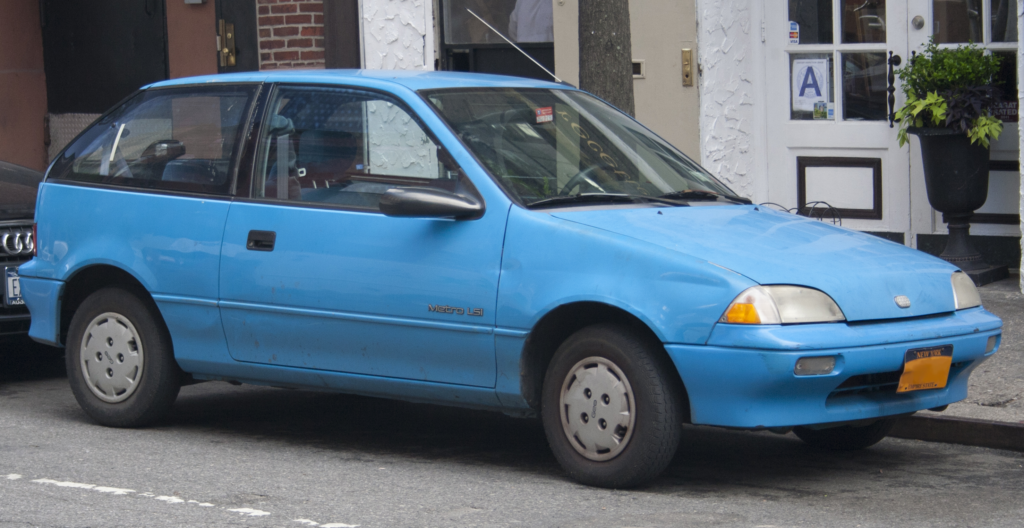
The exterior of the geo metro is compact and lightweight. It features a small body frame, simple lines, and a design optimized for aerodynamics. The hatchback version became especially popular due to its practicality and storage flexibility.
Interior Design
Inside, the Geo Metro offers a basic cabin layout. It includes essential controls, simple seating, and limited technological features. While it may not match modern comfort standards, it was designed to be cost-effective and functional.
The simplicity of the interior helped reduce manufacturing costs, making the vehicle more affordable for buyers.
Geo Metro Engine and Performance
The performance of the Geo Metro is not designed for speed but for efficiency.
Engine Options
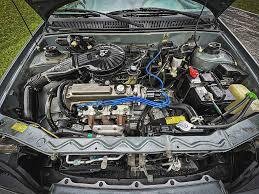
Most Geo Metro models came with small 3-cylinder or 4-cylinder engines. These engines were engineered to maximize fuel economy rather than deliver high horsepower.
Driving Experience
Driving a geo metro is best described as light and simple. The vehicle is easy to maneuver, especially in urban environments. Its compact size makes parking and city driving extremely convenient.
While acceleration is modest, the car performs reliably for daily commuting needs.
Transmission Options
The Geo Metro was available in both manual and automatic transmissions. The manual version is often preferred by enthusiasts due to slightly better fuel efficiency and control.
Geo Metro Fuel Efficiency
One of the strongest selling points of the Geo Metro is its fuel economy.
The lightweight structure and small engine allow the vehicle to achieve impressive miles per gallon (MPG). Even by today’s standards, the geo metro is still considered highly fuel-efficient.
Why It Was So Efficient
Several factors contributed to its fuel efficiency:
- Lightweight body construction
- Small displacement engine
- Simple mechanical systems
- Minimal electronic load
- Aerodynamic hatchback design
Because of these features, the Geo-Metro became a symbol of economical driving during its time.
Geo-Metro Reliability and Maintenance
Reliability is one of the most discussed aspects of the Geo-Metro.
Mechanical Simplicity
The Geo-Metro is known for its simple mechanical structure. Fewer complex components mean fewer potential failures, which makes it easier to maintain.
Maintenance Costs
Maintenance costs are generally low. Parts are inexpensive and easy to replace. Many owners appreciate the vehicle’s ability to run with minimal servicing requirements.
Longevity
With proper care, a geo-metro can last for many years. However, due to its lightweight build, it may not handle rough driving conditions as well as heavier vehicles.
Geo Metro Safety Features
When compared to modern vehicles, the Geo-Metro lacks advanced safety features. It was built during a time when safety technology was not as advanced as it is today.
Basic Safety Equipment
Most models include:
- Seat belts
- Basic airbags (in later models)
- Standard braking system
Safety Limitations
Due to its small size and lightweight frame, the geo-metro does not offer the same level of crash protection as modern cars. This is an important consideration for buyers evaluating older vehicles.
Geo Metro in Today’s Used Car Market
Although production ended years ago, the Geo-Metro still appears in used car markets and automotive discussions.
Popularity Among Collectors
Some car enthusiasts appreciate the geo metro for its simplicity and fuel efficiency. It is sometimes viewed as a “minimalist car” in automotive culture.
Budget-Friendly Option
In some regions, it remains a very affordable option for buyers seeking basic transportation.
Availability of Parts
Replacement parts are still available in certain markets, although availability may vary depending on location.
Geo Metro and Fuel Economy Legacy
The Geo-Metro has built a lasting reputation as one of the most fuel-efficient cars of its time.
Even as modern hybrid and electric vehicles dominate the market, the geo-metro is still referenced in discussions about fuel economy benchmarks.
Its legacy continues because it represents a time when manufacturers focused heavily on affordability and efficiency.
Advantages of Geo-Metro
The Geo-Metro offers several benefits that made it popular:
1. Excellent Fuel Efficiency
It remains one of the most fuel-efficient gasoline cars ever produced.
2. Low Maintenance Cost
Simple engineering reduces repair expenses.
3. Affordable Purchase Price
Even today, used models are inexpensive.
4. Easy to Drive
Compact size makes it ideal for city traffic.
5. Lightweight Design
Improves efficiency and maneuverability.
Disadvantages of Geo Metro
Despite its advantages, the geo-metro also has limitations:
1. Limited Power
The engine is not suitable for high-speed driving.
2. Basic Interior
Lacks modern comfort and technology features.
3. Low Safety Standards
Does not match modern crash safety ratings.
4. Aging Design
Outdated compared to modern compact cars.
Why Geo Metro Still Matters Today
Even though it is no longer in production, the Geo-Metro remains relevant in automotive discussions.
Educational Value
It is often studied in automotive engineering as an example of efficient design.
Historical Importance
The geo-metro represents a shift in automotive priorities during the fuel-conscious era of the 1990s.
Inspiration for Modern Cars
Many modern compact and hybrid cars continue to build upon the principles of efficiency that vehicles like the Geo Metro introduced.
Geo-Metro vs Modern Economy Cars
When compared to modern vehicles, the Geo-Metro shows both progress and limitations in automotive technology.
Fuel Efficiency Comparison
Modern hybrid cars outperform the geo metro in fuel economy, but the Metro remains impressive for its time.
Technology Gap
Modern vehicles offer advanced safety systems, infotainment, and driver assistance features that the Geo-Metro lacks.
Cost Efficiency
However, in terms of simplicity and maintenance cost, the Geo-Metro still holds strong value.
Final Thoughts on Geo-Metro
The Geo-Metro remains a symbol of practical, budget-friendly transportation. While it may not compete with modern cars in terms of technology or safety, it continues to be appreciated for its simplicity, affordability, and fuel efficiency.
For those interested in automotive history or seeking a basic and economical vehicle, the geo metro represents an important milestone in compact car development.
YOU MAY ALSO READ