Introduction
A fashion collection may begin with Business of Fashion a sketch on a designer’s desk, but the journey from that first idea to a finished product hanging in a store involves hundreds of decisions. Someone has to source the fabric, calculate production costs, select manufacturers, determine quantities, set prices, arrange distribution, build a brand identity, and understand what customers actually want. Behind the glamour of fashion lies an enormous and sophisticated commercial industry.
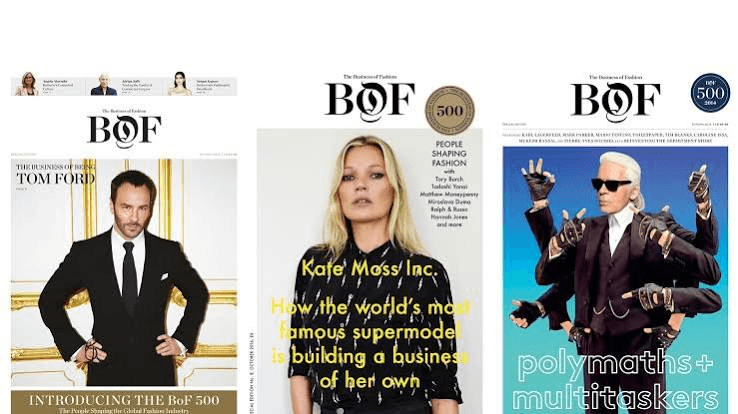
That is the world represented by the Business of Fashion. The phrase can refer broadly to the commercial side of the fashion industry, including design, manufacturing, retail, luxury, beauty, finance, technology, and consumer behavior. It is also closely associated with The Business of Fashion, or BoF, a global fashion and luxury media and intelligence company founded by Imran Amed in 2007.
Fashion has become much more than an industry that produces clothing. It influences culture, entertainment, technology, employment, manufacturing, tourism, and personal identity. A successful fashion brand must understand all of these connections while still producing products people genuinely want to wear.
Understanding the Business of Fashion therefore means looking beyond the runway. It means exploring how brands make decisions, how products reach consumers, why certain companies become powerful, how technology is changing the industry, and what challenges fashion businesses will face in the years ahead.
What Is the Business of Fashion?
The Business of Fashion describes the commercial structure behind the fashion industry. It includes everything involved in turning creative ideas into products and businesses, from initial design and material selection to manufacturing, pricing, wholesale, retail, distribution, and customer relationships.
A fashion company might have a talented design team, but creativity alone does not guarantee success. A beautiful collection can fail if production costs are too high, inventory is poorly managed, prices do not match customer expectations, or the company misunderstands its audience. Successful fashion businesses combine creative vision with strong commercial judgment.
This balance makes fashion different from many other industries. A product has to function financially while also carrying an emotional and cultural message. Consumers often buy fashion because they like the way something looks, but they may also be buying an identity, a lifestyle, a feeling, or a connection to a particular community.
From Concept to Consumer
The journey of a Business of Fashion product usually begins with research and design. Designers consider colors, silhouettes, materials, cultural influences, previous collections, and emerging preferences. Once concepts are developed, samples are created and reviewed before production decisions are made.
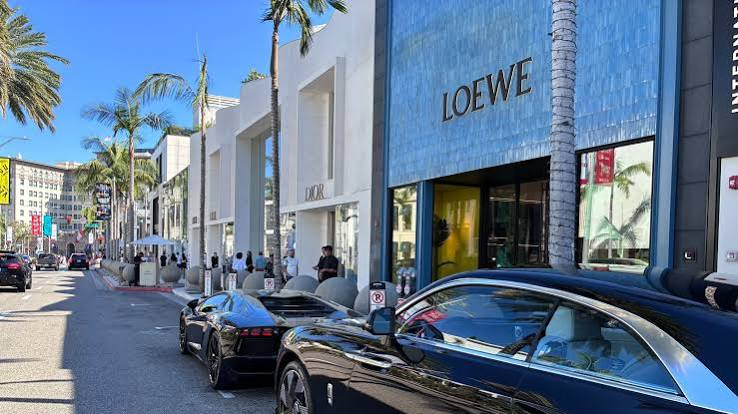
Merchandising and buying teams then become extremely important. They help determine which products should be produced, in what quantities, at which price points, and for which markets. Financial teams examine costs and expected margins, while production specialists coordinate suppliers and factories.
Once products are manufactured, they have to reach customers. This can happen through company-owned stores, department stores, independent boutiques, online channels, marketplaces, or a combination of several routes.
Every stage creates risks. Producing too much can leave a company with excess inventory. Producing too little can mean missing demand. Pricing too high can discourage buyers, while pricing too low can damage margins or weaken a premium brand’s positioning.
The Rise of The Business of Fashion
The modern Business of Fashion is also strongly associated with BoF, which was founded by Imran Amed in 2007. Amed, who had a background in management consulting, began writing about the business side of fashion and gradually developed the project into a larger professional platform.
The idea was significant because fashion information had traditionally been divided between creative coverage and business reporting. Designers, executives, investors, students, and other professionals increasingly needed a place where the commercial and creative sides of the industry could be examined together.
BoF developed into a global media and intelligence company covering fashion, beauty, and luxury. Its activities include journalism, research, professional education, careers, events, and industry-focused analysis.
The growth of specialized fashion intelligence reflects how complicated the industry has become. A fashion executive today may need to understand consumer psychology, international markets, technology, supply chains, financial performance, sustainability, and cultural movements at the same time.
Why Fashion Intelligence Matters
Fashion decisions often have significant financial consequences. A company may spend millions producing a collection before knowing exactly how customers will respond. Better information can help businesses understand markets, identify opportunities, recognize changing consumer behavior, and make more informed strategic choices.
For example, a luxury brand considering expansion into a new country needs to understand far more than population size. It may need to examine local purchasing power, cultural attitudes toward luxury, existing competitors, shopping habits, real-estate costs, taxation, and the strength of its brand in that market.
Research and industry analysis can provide useful context for such decisions. However, data does not replace creative judgment. Fashion remains an industry where intuition, storytelling, design ability, and cultural awareness can be just as influential as spreadsheets.
How Fashion Brands Make Money
The economics of the Business of Fashion vary enormously depending on the type of company. A small independent designer may operate with limited production and sell directly to customers, while a multinational fashion group may own numerous brands and generate revenue from clothing, accessories, beauty products, licensing, retail stores, and other categories.
Pricing sits at the center of the business. The price of a garment must account for materials, labor, manufacturing, transportation, warehousing, store expenses, employees, taxes, returns, and other costs. Yet price is also connected to perception.
A designer jacket made from relatively expensive materials may still sell for less than a luxury jacket made from comparable materials if the two brands have different reputations. Consumers are not paying only for physical materials. They may also be paying for design, craftsmanship, heritage, exclusivity, status, and the emotional value of the brand.
This becomes especially clear in luxury fashion. Scarcity can be part of the product. Limited production, carefully controlled distribution, distinctive packaging, prestigious stores, and recognizable design language can all contribute to a brand’s perceived value.
Retail and Wholesale
Fashion brands traditionally use several routes to reach consumers. Wholesale involves selling products to retailers, which then sell them to customers. This can give a brand access to established stores and a wider customer base.
Direct retail gives a company greater control over the customer experience. A brand can determine how products are displayed, how employees interact with shoppers, what atmosphere the store creates, and how its identity is communicated.
Online retail has changed this relationship significantly. Customers can now browse entire collections from home, compare products, read reviews, check availability, and purchase without visiting a physical store.
The most successful fashion businesses often use multiple channels rather than relying entirely on one. Physical stores provide experience and personal interaction, while online channels provide convenience and accessibility.
Technology Is Transforming the Fashion Industry
Technology has become an essential part of the Business of Fashion. It affects product development, manufacturing, inventory management, retail, customer service, logistics, and business decision-making.
Digital design tools allow designers to experiment with shapes, colors, and materials before producing physical samples. Automated manufacturing systems can improve efficiency in some production environments. Inventory software helps companies track products across different locations.
Artificial intelligence is becoming another important area of experimentation. Fashion companies are exploring AI for demand forecasting, product recommendations, customer analysis, design assistance, and operational planning.
The technology itself is not the most interesting part. The real question is how businesses use it. A company that simply adopts new technology without understanding its customers may gain little from the investment. Technology works best when it solves a genuine business problem.
The Changing Shopping Experience
Consumers have also changed because of technology. A person can discover a fashion brand through social media, watch a product demonstration, compare prices, read customer reviews, and complete a purchase within minutes.
This has shortened the distance between inspiration and consumption. A fashion trend can spread rapidly, and brands can receive customer reactions much faster than in the era when magazines and traditional advertising dominated fashion communication.
However, increased speed also creates pressure. Consumers have more choices than ever before. Brands must compete not only on product quality but also on convenience, originality, service, and the overall experience they provide.
Technology has therefore made fashion more accessible while simultaneously making the competitive environment more demanding.
Sustainability and the Changing Fashion Business
Sustainability has become one of the most significant challenges facing the Business of Fashion. The industry must consider how materials are produced, where garments are manufactured, how workers are treated, how products are transported, and what happens to clothing after customers stop using it.
The issue is complicated because fashion operates through enormous global supply chains. A single garment may involve raw materials from one country, fabric production in another, manufacturing somewhere else, and distribution across several markets.
Consumers are increasingly interested in durability and responsible production. This has helped strengthen interest in vintage clothing, secondhand shopping, repair, rental, and resale.
Resale is particularly interesting because it changes the traditional idea of a product’s life. Instead of a garment being purchased once and eventually discarded, it can move between several owners.
The Growth of Circular Fashion
Circular fashion aims to reduce waste by keeping products and materials in use for longer. Repair services, resale platforms, clothing rental, recycling programs, and designs intended for durability can all contribute to this approach.
For brands, circular models can create both opportunities and challenges. Resale may introduce a company to new customers, while repair services can strengthen relationships with existing customers. At the same time, companies have to develop systems for collecting, evaluating, repairing, and redistributing products.
Sustainability also requires honesty. Consumers are becoming more cautious about vague environmental claims. A credible approach involves measurable improvements rather than simply attaching environmentally friendly language to a product.
The future of responsible fashion will likely depend on practical changes throughout the supply chain rather than isolated campaigns.
The Cultural Power of Fashion
The Business of Fashion cannot be understood purely through financial figures because fashion is deeply connected to culture. Clothing can communicate personality, social identity, heritage, profession, music preferences, political attitudes, or membership in a particular community.
Many major fashion trends have emerged from subcultures before being adopted by mainstream companies. Streetwear, sneaker culture, vintage fashion, and various forms of youth style demonstrate how communities can influence the direction of the commercial fashion industry.
Brands often study these cultural shifts because they can reveal opportunities. However, successfully participating in a cultural movement requires authenticity. Consumers can usually recognize when a company genuinely understands a community and when it is simply attempting to profit from a trend.
Fashion therefore operates in a constant conversation between designers, consumers, artists, musicians, athletes, celebrities, retailers, and communities.
Global Fashion, Local Taste
Fashion is increasingly global, but customers remain deeply influenced by local culture. A style that succeeds in one country may need to be adapted for another market.
Climate is an obvious example. Heavy winter clothing may be commercially irrelevant in a tropical region. Cultural traditions, modesty preferences, sizing, colors, religious considerations, and local purchasing habits can also influence what people buy.
International fashion companies therefore need to balance global consistency with local understanding. A recognizable brand identity can travel across borders, but successful products still need to make sense to the people who are expected to purchase them.
Careers and People Behind the Industry
When people imagine the Business of Fashion, they often picture designers and models. Yet the industry depends on a much larger workforce.
Buyers decide which products retailers should carry. Merchandisers organize collections and product ranges. Production managers coordinate factories and suppliers. Financial analysts evaluate performance. Supply-chain specialists manage transportation and inventory.
There are also photographers, stylists, journalists, editors, public-relations specialists, store managers, lawyers, technology professionals, researchers, data analysts, recruiters, and many other specialists.
This diversity makes fashion an attractive industry for people with different skills. Someone who loves mathematics may find a career in financial planning or merchandising, while someone interested in technology can work with data, e-commerce systems, artificial intelligence, or digital product development.
Skills That Matter
Modern fashion professionals often need a Business of Fashion combination of creative and commercial abilities. Understanding customers is valuable, but so is understanding costs. Communication is important, but analytical thinking is equally useful.
Adaptability is another important quality. Fashion changes quickly, and professionals may move between markets, product categories, technologies, and business models during their careers.
Strong communication skills can be especially Business of Fashion valuable because fashion is highly collaborative. Designers need to work with manufacturers. Buyers communicate with brands. Executives coordinate with creative teams. Retail employees interact directly with customers.
The industry may look glamorous from the outside, but its daily operation depends heavily on teamwork and practical problem-solving.
What Does the Future Hold for the Business of Fashion?
The future of the Business of Fashion will likely be shaped by several forces working together rather than one single trend. Artificial intelligence will continue influencing business operations. Sustainability will remain a major concern. Resale and circular models may become more established, while consumers will continue demanding better service and more meaningful products.
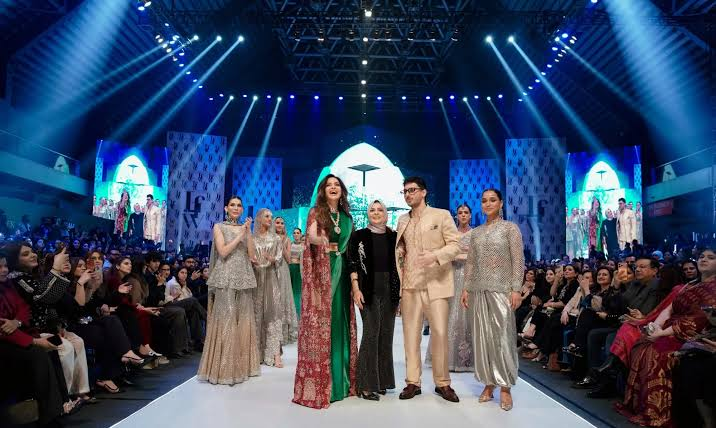
Luxury brands are also exploring new categories beyond traditional clothing and accessories. Beauty, hospitality, home products, food, travel, and entertainment can all provide opportunities for brands to extend their identities.
At the same time, international markets will Business of Fashion continue changing. Emerging consumer groups can create new opportunities, but entering a new market requires careful research and cultural understanding.
The Balance Between Technology and Human Creativity
Technology may become more powerful, but fashion will remain fundamentally human. People decide what looks beautiful, what feels meaningful, what communicates identity, and what becomes culturally desirable.
Artificial intelligence can analyze Business of Fashion enormous amounts of information, but it cannot automatically determine what a particular generation will emotionally connect with. Data can reveal patterns, while creative professionals interpret those patterns and turn them into ideas.
The strongest fashion businesses are likely to be those that use technology without losing their human character. Customers still want originality, craftsmanship, authenticity, and emotional connection.
That balance may become one of the defining challenges of the next generation of fashion companies.
Conclusion
The Business of Fashion is a fascinating combination of creativity, commerce, culture, technology, and human behavior. What appears to be a simple piece of clothing can represent an enormous chain of decisions involving designers, manufacturers, buyers, retailers, financial teams, technology specialists, and consumers.
The industry continues to evolve as technology changes shopping habits, sustainability reshapes supply chains, resale creates new business models, and cultural movements influence consumer preferences. Fashion businesses must therefore be willing to adapt without losing the identity that makes their products meaningful.
The story of The Business of Fashion itself demonstrates the growing importance of understanding fashion as a complete industry rather than simply a creative field. Professional knowledge, reliable information, commercial awareness, and cultural understanding have all become increasingly valuable.
Ultimately, fashion succeeds when Business of Fashion creativity and business work together. A great design may attract attention, but a strong business gives that design the opportunity to reach people, survive competition, and become part of culture. That relationship between imagination and commerce is what makes the Business of Fashion so influential—and so enduring.
Frequently Asked Questions
1. What is the Business of Fashion?
The Business of Fashion refers to the commercial side of the fashion industry, including design, manufacturing, retail, luxury, merchandising, finance, supply chains, technology, and consumer behavior. It can also refer specifically to The Business of Fashion, commonly known as BoF.
2. What is The Business of Fashion?
The Business of Fashion, or BoF, is a global media and intelligence company focused on the fashion, beauty, and luxury industries. It provides journalism, research, professional resources, events, education, and industry analysis.
3. Who founded The Business of Fashion?
The Business of Fashion was founded by Imran Amed in 2007. He initially began writing about the fashion industry and its business side before developing the project into a larger global platform.
4. Why is the business side of fashion important?
Creative design is only one part of building a successful fashion company. Businesses also need to manage production, pricing, inventory, distribution, employees, finances, customer relationships, and market demand.
5. How do fashion brands make money?
Fashion brands can generate revenue through direct retail, online sales, wholesale, licensing, accessories, beauty products, collaborations, subscriptions, and other commercial activities. The exact model depends on the brand and its market position.
6. How has technology changed fashion?
Technology has influenced design, manufacturing, inventory management, retail, logistics, customer service, and business analysis. Artificial intelligence is also being explored for forecasting, personalization, product development, and operational decision-making.
7. Why is sustainability important to fashion?
Fashion involves large global supply chains and significant material use. Sustainability addresses issues such as waste, materials, manufacturing, transportation, durability, labor practices, and product disposal.
8. What is circular fashion?
Circular fashion focuses on keeping clothing and materials in use for longer. Resale, repair, rental, recycling, refurbishment, and durable product design are examples of approaches associated with a more circular fashion system.
9. What careers are available in the fashion industry?
Fashion careers include design, buying, merchandising, retail management, production, finance, journalism, photography, styling, public relations, supply-chain management, technology, data analysis, research, and business strategy.
10. What will shape the future of the Business of Fashion?
Artificial intelligence, sustainability, resale, changing consumer preferences, global market expansion, new retail models, and cultural movements are likely to influence the industry’s future. Successful companies will need to combine innovation with strong creative identities and sound business decisions.
YOU MAY READ ALSO
foxfiny com