
Introduction
Many people love cats but struggle with allergies that make owning one difficult. Sneezing, itchy eyes, coughing, and skin irritation are common symptoms caused by proteins found in cat saliva, dander, and urine. Fortunately, hypoallergenic cats may help reduce allergic reactions while still allowing pet lovers to enjoy feline companionship.
Although no cat is completely allergy-free, some breeds produce fewer allergens than others. These cats are often referred to as hypoallergenic cats because they are more suitable for individuals with mild allergies.
In this complete guide, you will learn about the best hypoallergenic cat breeds, why certain cats trigger allergies, how to manage allergic reactions, and tips for choosing the right pet for your home.
What Are Hypoallergenic Cats?
Hypoallergenic cats are breeds that are less likely to cause allergic reactions in humans. These cats typically produce lower levels of the Fel d 1 protein, which is the primary allergen responsible for cat allergies.
The allergen spreads through:
- Cat saliva
- Dander (dead skin flakes)
- Fur
- Urine
When cats groom themselves, allergens stick to their fur and become airborne around the home.
Hypoallergenic cats do not eliminate allergies completely, but they may significantly reduce symptoms for sensitive individuals.
Why Do Some People Need Hypoallergenic Cats?
Millions of people suffer from pet allergies worldwide. However, many still want the comfort and companionship of a cat. Hypoallergenic cats offer a possible solution for allergy sufferers who do not want to avoid pets entirely.
Benefits include:
- Reduced allergic reactions
- Less shedding
- Cleaner indoor air
- Easier grooming maintenance
- Better comfort for families with allergies
These breeds can make pet ownership more manageable for many households.
Best Hypoallergenic Cats for Allergy Sufferers
Choosing the right breed is extremely important. Below are some of the most popular hypoallergenic cats in 2026.
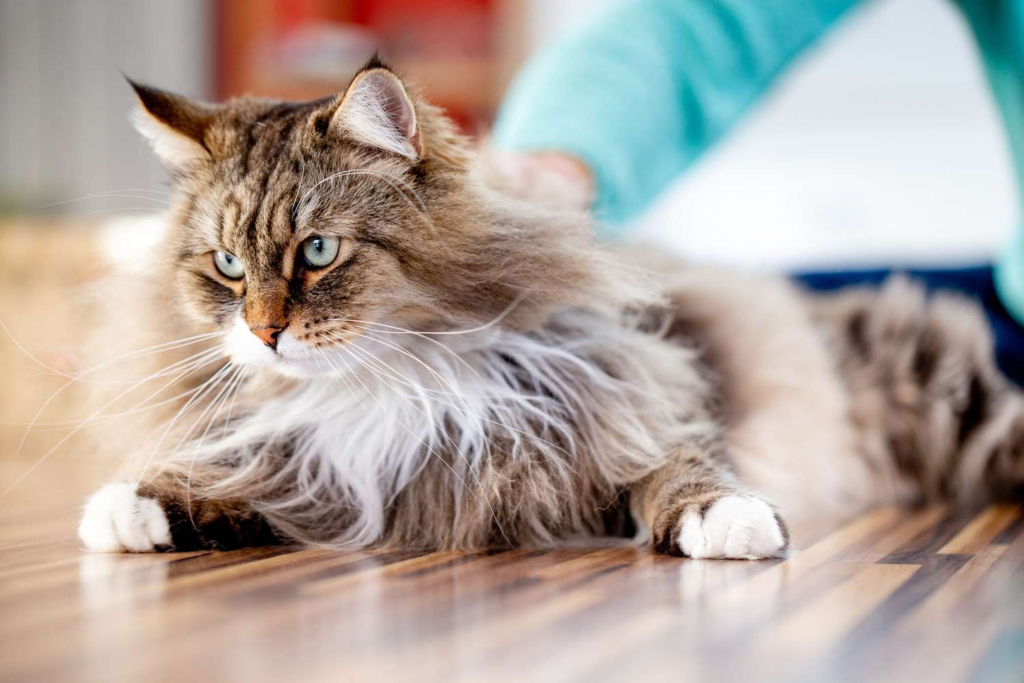
Siberian Cats
Siberian cats are often considered one of the best hypoallergenic cats despite their long fur. Surprisingly, many Siberians produce lower levels of the Fel d 1 protein.
Features of Siberian Cats
- Thick triple-layer coat
- Friendly personality
- Intelligent behavior
- Good with children
These cats are playful, affectionate, and adaptable to families.
Balinese Cats
Balinese cats are known as “long-haired Siamese” and are among the top hypoallergenic cats for people with mild allergies.
Why Balinese Cats Are Popular
- Elegant appearance
- Lower allergen production
- Social and vocal nature
- Easy to train
Their silky coat requires regular brushing but sheds less compared to many other breeds.
Bengal Cats
Bengal cats have short, fine coats that require less grooming and produce less dander.
Characteristics of Bengal Cats
- Athletic body
- Exotic leopard-like spots
- Energetic personality
- Minimal shedding
Because they groom themselves less frequently, fewer allergens spread throughout the home.
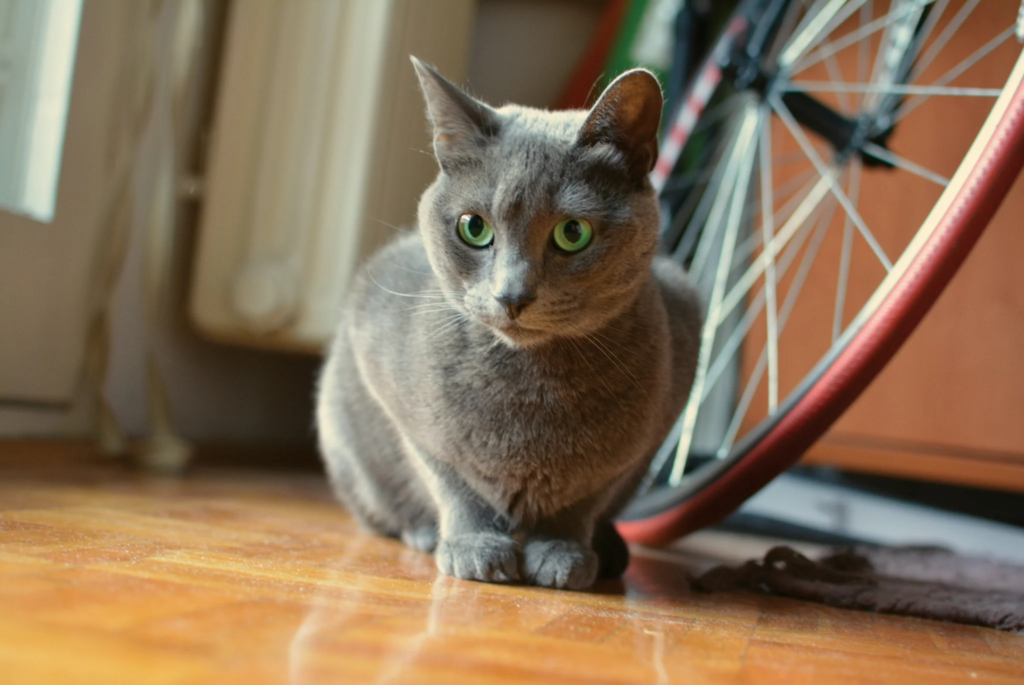
Russian Blue Cats
Russian Blue cats are famous for their beautiful silver-blue coat and calm personality.
Benefits of Russian Blue Cats
- Dense short fur
- Low dander levels
- Quiet temperament
- Strong bond with owners
These cats are ideal for apartment living and peaceful households.
Devon Rex Cats
Devon Rex cats have unusual curly coats and produce less fur compared to many traditional breeds.
Why Choose Devon Rex Cats?
- Very little shedding
- Large ears and unique appearance
- Playful behavior
- Intelligent personality
Their reduced hair means allergens may spread less around the house.
Cornish Rex Cats
Cornish Rex cats are another excellent option among hypoallergenic cats because of their soft, wavy coat.
Cornish Rex Cat Traits
- Extremely active
- Short curly fur
- Friendly with families
- Low grooming requirements
These cats enjoy attention and interactive play.
Sphynx Cats
Sphynx cats are perhaps the most famous hypoallergenic cats due to their hairless appearance.
Important Facts About Sphynx Cats
- Almost no fur
- Require regular bathing
- Warm and affectionate
- Highly social breed
Even though they are hairless, they still produce allergens, but the lack of fur prevents allergens from spreading easily.
Are Hypoallergenic Cats Completely Allergy-Free?
One of the biggest misconceptions is that hypoallergenic cats are 100% allergy-free. Unfortunately, this is not true.
All cats produce allergens to some extent. The difference is that hypoallergenic cats produce fewer allergens or spread them less efficiently.
People with severe allergies should spend time around a breed before bringing one home permanently.
Tips for Living With Hypoallergenic Cats
Owning hypoallergenic cats becomes easier when combined with proper cleaning and allergy management strategies.
Keep Your Home Clean
Vacuum carpets and furniture frequently using a HEPA filter vacuum cleaner. Dust and allergens can build up quickly indoors.
Groom Your Cat Regularly
Regular grooming helps reduce loose fur and dander. Brushing should ideally be done outside or by a non-allergic family member.
Use Air Purifiers
Air purifiers with HEPA filters can help remove airborne allergens and improve indoor air quality.
Wash Bedding Frequently
Cat hair and dander often collect on blankets, couches, and pillows. Washing fabrics weekly can reduce allergy symptoms.
Create Allergy-Free Zones
Keep certain areas, such as bedrooms, completely cat-free to reduce allergen exposure during sleep.
Hypoallergenic Cats and Families
Many hypoallergenic cats are excellent companions for families with children. Breeds like Siberian, Bengal, and Devon Rex are playful and affectionate.
When choosing a family cat, consider:
- Energy level
- Grooming needs
- Compatibility with children
- Temperament
- Space requirements
Early socialization is important for healthy behavior.
How Much Do Hypoallergenic Cats Cost?
The price of hypoallergenic cats varies depending on the breed, breeder reputation, and location.
Average Price Range
| Breed | Estimated Cost |
|---|---|
| Siberian | $1,200–$2,500 |
| Bengal | $1,500–$3,000 |
| Sphynx | $1,500–$4,000 |
| Russian Blue | $800–$2,000 |
| Devon Rex | $1,000–$2,500 |
Additional expenses include:
- Food
- Veterinary care
- Grooming
- Toys
- Insurance
Pet ownership should always be planned carefully.
Are Hypoallergenic Cats Good for Apartments?
Yes, many hypoallergenic cats adapt well to apartment living.
Best apartment-friendly breeds include:
- Russian Blue
- Devon Rex
- Sphynx
- Balinese
These cats often have calm personalities and manageable grooming needs.
However, active breeds like Bengals may require more playtime and stimulation.
Best Diet for Hypoallergenic Cats
A healthy diet supports skin and coat quality, which may help reduce shedding and dander.
Recommended foods include:
- High-protein cat food
- Omega-3 fatty acids
- Grain-free options if recommended
- Fresh water daily
Consult a veterinarian before changing your cat’s diet.
Common Myths About Hypoallergenic Cats
Myth 1: Hairless Cats Cause No Allergies
False. Hairless cats still produce allergens through saliva and skin oils.
Myth 2: Long-Haired Cats Always Cause More Allergies
Not necessarily. Some long-haired breeds, like Siberians, produce fewer allergens.
Myth 3: Hypoallergenic Cats Require No Grooming
All cats require regular care and maintenance regardless of breed.
How to Choose the Best Hypoallergenic Cats
Before adopting or buying a cat, consider the following:
Allergy Severity
Spend time around the breed first to test your reaction.
Lifestyle Compatibility
Choose a breed that matches your activity level and home environment.
Grooming Needs
Some breeds require more maintenance than others.
Personality
Every cat has a unique temperament. Some are independent, while others are highly social.
The Growing Popularity of Hypoallergenic Cats in 2026
Interest in hypoallergenic-cats continues to rise worldwide as more families seek allergy-friendly pets.
Social media trends, celebrity pet culture, and improved breeding practices have increased awareness of these special breeds.
Many breeders now focus on producing healthier cats with lower allergen levels and better temperaments.
Final Thoughts on Hypoallergenic Cats
Hypoallergenic-cats provide hope for many allergy sufferers who still dream of owning a feline companion. While no cat is completely allergen-free, several breeds can significantly reduce allergic reactions and make pet ownership more comfortable.
Popular breeds like Siberian, Bengal, Russian Blue, Sphynx, and Devon Rex each offer unique personalities and advantages. With proper grooming, cleaning habits, and allergy management, living with cats may become much easier.
YOU MAY ALSO READ