Introduction
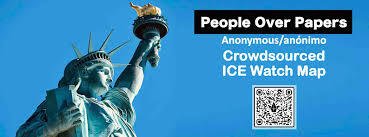
The term people over papers map has gained increasing attention in discussions about immigration, community support, social advocacy, and public policy. As more individuals seek information about human-centered approaches to migration and community services, the concept of a people over papers map has become an important topic.
At its core, a people over papers map represents the idea that individuals should be valued based on their humanity, contributions, and needs rather than solely on documentation status or bureaucratic processes. Various organizations, advocacy groups, and community networks use mapping tools and resource directories to connect people with services, legal assistance, healthcare, education, and social support.
This comprehensive guide explores the meaning of a people over papers map, its origins, benefits, applications, challenges, and future significance in modern society.
What Is a People Over Papers Map?
A people over papers map generally refers to a resource-based map or community support network designed to help individuals access important services regardless of their documentation status.
These maps often include:
- Community organizations
- Legal aid providers
- Healthcare services
- Educational resources
- Employment assistance
- Housing support programs
The primary goal is to prioritize people’s needs and well-being.
Unlike traditional bureaucratic systems that may focus heavily on paperwork, a people over papers map emphasizes accessibility and human-centered support people over papers ma.
Why the People Over Papers Map Matters
The importance of a people over papers map extends beyond simple navigation tools.
Human-Centered Support
Many individuals face barriers when seeking assistance.
A people over papers map helps identify organizations that focus on helping people first.
Community Empowerment
Resource mapping strengthens local communities by improving access to information.
Increased Awareness
These maps help individuals discover services they may not have known existed.
Better Resource Distribution
Organizations can better coordinate support efforts.
History of the People Over Papers Map Concept
The philosophy behind the people over papers map emerged from broader social movements focused on human rights, community advocacy, and equitable access to services.
Historically, many advocacy groups argued that access to essential services should not be restricted solely by documentation requirements.
As technology evolved, digital mapping platforms became powerful tools for connecting people with resources.
Today, many organizations use interactive maps to improve accessibility and outreach.
How a People Over Papers Map Works
A typical people over papers map functions as a centralized resource directory.
Resource Identification
Organizations and service providers are listed on the map.
Geographic Navigation
Users can locate nearby resources based on location.
Service Categorization
Resources are organized into categories such as:
- Healthcare
- Education
- Legal assistance
- Housing
- Employment support
Accessibility Features
Many modern maps include multilingual support and mobile-friendly designs.
Key Features of a People Over Papers Map
Several features make these maps effective.
Interactive Locations
Users can search for nearby services.
Updated Information
Reliable maps regularly update provider information.
Community Resources
Maps often highlight nonprofit organizations and support centers.
Easy Navigation
User-friendly interfaces improve accessibility.
Mobile Compatibility
Many people access resources through smartphones.
Benefits of Using a People Over Papers Map
The people over papers map offers numerous advantages.
Improved Access to Services
Individuals can quickly locate relevant support organizations.
Reduced Information Gaps
Maps help bridge communication barriers.
Faster Assistance
Users spend less time searching for help.
Stronger Community Connections
Organizations can collaborate more effectively.
Increased Awareness
People become more informed about available resources.
People Over Papers Map and Community Organizations
Community organizations play a central role in maintaining and promoting these maps.
Their contributions include:
- Resource verification
- Service updates
- Outreach efforts
- Community education
- Advocacy initiatives
Without community participation, many resource maps would quickly become outdated.
Digital Technology and the People Over Papers Map
Technology has significantly improved the effectiveness of the people over papers map concept.
Online Platforms
Digital platforms allow instant access to resources.
Mobile Applications
Apps help users locate assistance while traveling.
Real-Time Updates
Organizations can quickly update service information.
Interactive Search Functions
Advanced filters improve user experience.
Technology continues expanding the reach of these tools.
Challenges Facing the People Over Papers Map
Despite its benefits, several challenges exist.
Data Accuracy
Information must be updated regularly.
Funding Limitations
Many resource projects operate with limited budgets.
Accessibility Concerns
Not everyone has internet access.
Language Barriers
Multilingual support remains essential.
Privacy Considerations
Users often need confidence that their information is protected.
People Over Papers Map and Social Advocacy
Many advocacy groups use the people over papers map as part of broader outreach efforts.
These initiatives often focus on:
- Human rights awareness
- Community engagement
- Public education
- Service accessibility
- Social inclusion
Resource mapping helps transform advocacy into practical support.
Educational Uses of a People Over Papers Map
Educational institutions can also benefit from these tools.
Student Support
Maps help students locate assistance programs.
Community Learning
Educational workshops can use maps as teaching resources.
Research Opportunities
Researchers may analyze resource accessibility trends.
Public Awareness Campaigns
Maps can support community education initiatives.
People Over Papers Map and Healthcare Access
Healthcare access is one of the most important applications.
Many maps identify:
- Clinics
- Community health centers
- Mental health services
- Preventive care programs
- Emergency assistance providers
Improved visibility often leads to better health outcomes.
Future Trends for the People Over Papers Map
The future of the people over papers map appears promising.
Artificial Intelligence Integration
AI may improve search functionality and personalization.
Enhanced Mobile Access
More users will rely on smartphone-based navigation.
Expanded Resource Networks
Additional organizations may join mapping initiatives.
Greater Community Collaboration
Partnerships will strengthen information accuracy.
Improved Accessibility Features
Future platforms may include advanced translation and accessibility tools.
Why the People Over Papers-Map Continues to Grow
Several factors contribute to its growing popularity.
Increased Digital Access
More people can use online resources.
Community Demand
Individuals seek reliable support networks.
Advocacy Expansion
Organizations continue promoting resource accessibility.
Technology Innovation
New tools make resource discovery easier.
As these trends continue, the importance of the people over-papers map is likely to increase.
Best Practices for Using a People Over-Papers Map
To maximize effectiveness:
Verify Information
Always confirm resource details before visiting.
Use Updated Maps
Choose platforms that regularly refresh data.
Explore Multiple Categories
Many users discover additional helpful services.
Share Resources
Community participation strengthens resource networks.
Provide Feedback
Reporting outdated information helps maintain accuracy.
Challenges Facing the People Over Papers Map
The philosophy behind the people over papers map emerged from broader social movements focused on human rights, community advocacy, and equitable access to services.
Historically, many advocacy groups argued that access to essential services should not be restricted solely by documentation requirements.
As technology evolved, digital mapping platforms became powerful tools for connecting people with resources.
Today, many organizations use interactive maps to improve accessibility and outreach.
Conclusion
The people over-papers map represents a powerful example of how technology and community collaboration can improve access to essential services. By prioritizing human needs and simplifying resource discovery, these maps help individuals connect with healthcare, education, legal assistance, housing support, and many other valuable services.
As digital platforms continue evolving, the people over-papers map will likely become an even more important tool for communities worldwide. Its emphasis on accessibility, inclusion, and practical support reflects a growing commitment to helping people navigate complex systems and find the resources they need.
YOU MAY ALSO READ