Introduction
Language is full of interesting expressions that help people describe emotions, habits, and daily experiences. One common phrase that many people use in conversations, social media posts, workplaces, and relationships is pet peeves meaning. Although the phrase sounds simple, many people still wonder what it truly means and how to use it correctly.
Understanding this expression can improve communication and help you express irritation in a more natural way. Everyone has certain habits or behaviors that annoy them, whether it is loud chewing, interrupting conversations, or people arriving late. These small frustrations are often called pet peeves.
In this detailed guide, you will learn the complete meaning of the phrase, its origin, examples, common uses, psychological reasons behind it, and how it appears in modern culture. By the end of this article, you will fully understand how to use the term confidently in daily English.
What Is the Pet Peeves Meaning?
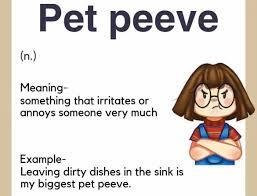
The phrase pet peeves meaning refers to small habits, actions, or behaviors that a person finds especially annoying or irritating. These annoyances may seem minor to others, but they strongly bother the individual experiencing them.
A pet peeve is usually not a serious problem. Instead, it is something that repeatedly causes frustration in everyday life.
Simple Definition
A pet peeve is:
- A small annoyance
- A personal irritation
- A behavior someone dislikes strongly
- Something that repeatedly bothers a person
For example:
- Loud chewing
- Talking during movies
- Leaving dirty dishes in the sink
- Interrupting someone while they speak
These are common examples of pet peeves.
Pet Peeves Meaning in Everyday Life
The concept appears almost everywhere in modern life. People talk about their dislikes in schools, offices, relationships, and online discussions.
Here are some everyday examples:
Workplace Pet Peeves
Many employees have office-related frustrations such as:
- Coworkers speaking loudly
- Late meetings
- Messy desks
- Ignoring emails
These small behaviors can reduce productivity and increase stress.
Relationship Pet Peeves
In relationships, partners often notice tiny habits that become irritating over time.
Examples include:
- Leaving clothes on the floor
- Forgetting important dates
- Not replying to messages
- Being constantly late
Although these habits are usually harmless, repeated exposure can become frustrating.
Social Media Pet Peeves
Modern technology has created new types of annoyances, including:
- Excessive selfies
- Spoilers without warnings
- Fake news
- Typing in all capital letters
Social media users often discuss these Pet Peeves Meaning: Definition, Examples frustrations online.
Origin of the Phrase Pet Peeves Meaning
The phrase has an interesting history. The word “peeve” comes from the term “peevish,” which means irritated or annoyed.
The expression “pet peeve” became popular during the early 20th century in American English. The word “pet” here means personal or special. So, a pet peeve is a particular annoyance that someone personally dislikes more than others.
Over time, the phrase became part of everyday conversation and is now commonly used worldwide.
Why People Have Pet Peeves
Everyone experiences irritation differently. What annoys one person may not bother another at all.
Several psychological reasons explain why people develop pet peeves.
Personal Preferences
Humans naturally develop habits and expectations. When others behave differently, irritation may occur.
For example:
- Organized people dislike clutter
- Quiet people dislike loud environments
- Punctual people dislike lateness
Repeated Exposure
Small annoyances become stronger when repeated frequently. Something minor can eventually feel unbearable after constant exposure.
Emotional Triggers
Sometimes pet peeves connect to deeper emotional experiences or stress levels. A person under pressure may react more strongly to certain behaviors.
Personality Differences
Different personality types react differently to situations. Introverts and extroverts may have completely different irritations.
Common Examples of Pet Peeves Meaning
Understanding examples helps explain the phrase clearly.
Communication Pet Peeves
These involve speaking habits and social behavior Pet Peeves Meaning: Definition, Examples:
- Interrupting conversations
- Not listening carefully
- Talking too loudly
- Using phones during conversations
Driving Pet Peeves
Road-related frustrations are extremely common:
- Not using turn signals
- Tailgating
- Slow driving in fast lanes
- Excessive honking
Food-Related Pet Peeves
Dining habits can also irritate people:
- Loud chewing
- Talking with a full mouth
- Double dipping
- Leaving dirty dishes
Technology Pet Peeves
Modern devices create new frustrations:
- Slow internet
- Spam notifications
- Autocorrect mistakes
- Ignoring messages
Pet Peeves Meaning in Relationships
Relationships often reveal personal habits more clearly. Spending more time together increases awareness of tiny behaviors.
Common relationship pet peeves include:
- Poor communication
- Lack of cleanliness
- Constant phone use
- Forgetting promises
However, healthy relationships require patience and understanding. Small irritations should not become major conflicts.
Tips for Handling Relationship Pet Peeves
- Communicate politely
- Avoid overreacting
- Focus on solutions
- Respect personal differences
Good communication helps reduce unnecessary tension.
Pet Peeves Meaning at Work
The workplace is one of the biggest sources of daily frustration. Employees spend many hours together, so small habits become noticeable quickly.
Common Office Pet Peeves
Some examples include:
- Reply-all emails
- Loud phone calls
- Taking credit for others’ work
- Being late to meetings
- Leaving shared spaces dirty
These behaviors may lower workplace Pet Peeves Meaning: Definition, Examples morale and productivity.
How to Deal With Workplace Irritations
- Stay professional
- Avoid emotional reactions
- Use respectful communication
- Set boundaries politely
Professional behavior improves office environments significantly.
Cultural Differences in Pet Peeves Meaning
Different cultures have different expectations and social rules. What is considered rude in one country may be normal elsewhere.
For example:
- Personal space varies by culture
- Eating manners differ worldwide
- Greeting customs are different
- Noise tolerance changes across societies
Understanding cultural differences reduces misunderstandings and frustration.
Funny Pet Peeves Meaning Examples
Many people enjoy discussing funny annoyances online and with friends.
Some humorous examples include:
- People who clap when a plane lands
- Slow walkers blocking sidewalks
- Sticky keyboard keys
- Crooked picture frames
- Loud typing sounds
- People who never return pens
These small irritations often become entertaining conversation topics.
Pet Peeves Meaning in Psychology
Psychologists believe pet peeves reveal important information about personality, stress, and emotional preferences.
Emotional Control
People with higher stress levels may react more strongly to minor annoyances.
Personality Reflection
Pet peeves often reflect personal values such as:
- Respect
- Cleanliness
- Organization
- Punctuality
Social Expectations
Humans expect certain social behaviors. When these expectations are broken repeatedly, irritation develops.
Understanding this can improve empathy and communication.
How to Identify Your Own Pet Peeves
Many people do not consciously recognize their biggest irritations.
Here are some simple ways to identify them:
Observe Emotional Reactions
Notice situations that instantly annoy you.
Look for Patterns
Repeated frustrations usually indicate a pet peeve.
Ask Yourself Questions
Examples:
- What behavior irritates me most?
- What habits make me uncomfortable?
- What situations create stress quickly?
Self-awareness improves emotional control.
How to Handle Pet Peeves Meaning Positively
Although annoyances are normal, reacting negatively all the time can damage relationships and mental health.
Practice Patience
Not every irritating behavior deserves a strong reaction.
Improve Communication
Speak honestly but respectfully.
Focus on Bigger Priorities
Small annoyances should not control happiness.
Reduce Stress
Stress increases irritation levels. Relaxation techniques may help.
Accept Differences
People naturally have different habits and personalities.
Learning tolerance creates healthier social interactions.
Pet Peeves Meaning in Social Media Trends
Social media platforms have made discussions about annoyances extremely popular.
Many viral posts ask questions such as:
- “What is your biggest pet peeve?”
- “What instantly annoys you?”
- “What behavior can you not tolerate?”
These discussions allow people to connect through shared experiences and humor.
Popular social media pet peeves include:
- Excessive hashtags
- Fake online personalities
- Clickbait titles
- Ignoring messages while active online
Digital culture continues creating new modern frustrations.
Difference Between Pet Peeves and Serious Problems
It is important to separate small irritations from major issues.
Pet Peeves
- Minor annoyances
- Personal dislikes
- Usually harmless
- Often emotional reactions
Serious Problems
- Harmful behaviors
- Toxic actions
- Safety concerns
- Major relationship issues
Understanding this difference helps maintain emotional balance.
Why the Phrase Remains Popular
The phrase continues to stay popular because everyone experiences daily annoyances.
It is:
- Relatable
- Easy to understand
- Useful in conversations
- Common in social media
- Emotionally expressive
People enjoy sharing personal frustrations because it creates connection and humor.
Pet Peeves Meaning in Modern English
Today, the phrase is considered a normal part of conversational English. Native speakers use it casually in daily life.
Examples include:
- “One of my pet peeves is loud chewing.”
- “What’s your biggest pet peeve?”
- “Being late is my biggest annoyance.”
Using the phrase correctly helps improve fluency in English communication.
Tips for Using the Phrase Correctly
To sound natural, remember these simple tips:
Use It for Minor Annoyances
Do not use it for major emotional issues.
Keep Tone Casual
The phrase is mostly conversational.
Avoid Overusing It
Too many complaints may sound negative.
Give Clear Examples
Specific examples improve understanding.
The Importance of Understanding Pet Peeves Meaning
Learning expressions like this improves both language skills and social awareness.
Benefits include:
- Better communication
- Improved emotional understanding
- Stronger relationships
- Better workplace interactions
- Enhanced English fluency
Understanding everyday expressions helps people communicate pet peeves meaning more naturally.
Conclusion
The phrase pet peeves meaning refers to small personal annoyances that strongly irritate someone. These frustrations can appear in relationships, workplaces, social media, driving, and daily life. Although pet peeves are usually minor, they reveal important information about personality, habits, and emotional preferences.
Everyone experiences irritation differently, which makes the topic highly relatable and interesting. By understanding the meaning, examples, psychology, and usage of the phrase, you can improve communication skills and develop greater patience with others. pet peeves meaning
YOU MAY ALSO READ